


Designing good looking clean and functional Web layouts is an essential part of a Web Designers life. In this tutorial we are going to create a clean and professional Web layout in Photoshop from scratch. Along the way you can learn useful methods to create designs. So get started!
Preview of Final Results
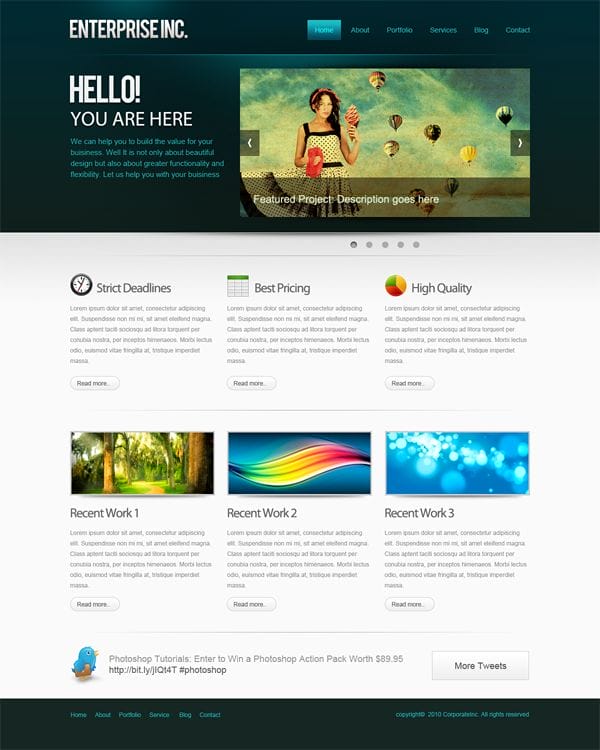
Create a Professional Web Layout Photoshop Tutorial
Resources
Function Icon Set – wefunction.com(Alternative)- Twitter Icons – iconeden.com
- Bebas Font – dafont.com
Step 1 Mockup
Before we start designing, we need to plan out the requirements, looks and the functionality. Then we need to fit these ideas into a layout to execute them visually. Mockups and wire frames are greatly useful to create layouts with lot of flexibility. It is a best practice and highly encouraged in the Industry.
I put the below one together using only grey tones. That way we eliminate color from the scene at this point. So that we can concentrate on the layout as a whole and avoid messing up with colors. That gives much freedom to quickly alter and rearrange things. A mockup can be as detailed as you want. For this purpose I am going with the below one. Just briefly defining the layout and what goes where.
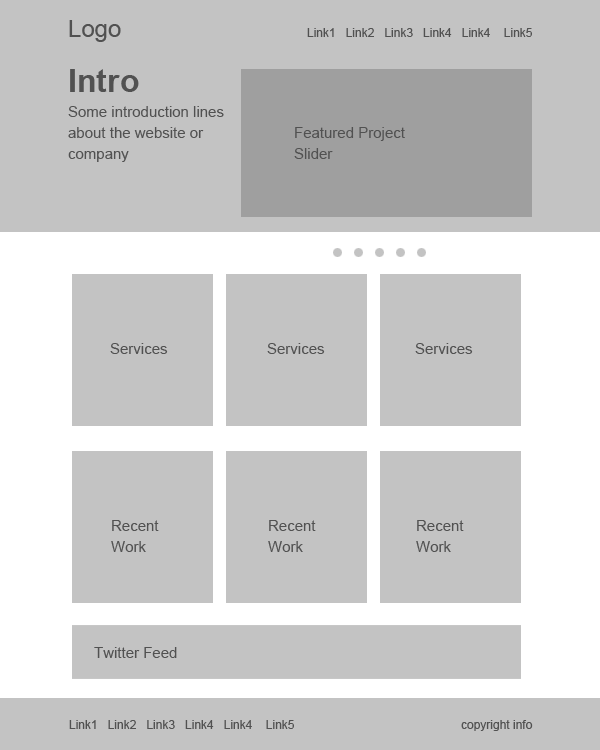
Step 2 Set up the Canvas
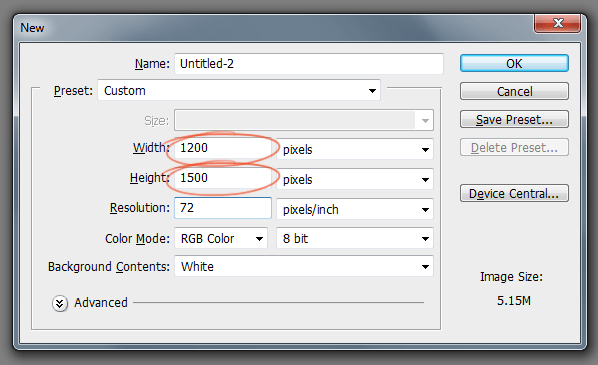
So we have a blue print for our layout. Let’s actually put the design together! We are going to create a 960 pixel wide layout. Create a new document at 1200 x 1500.
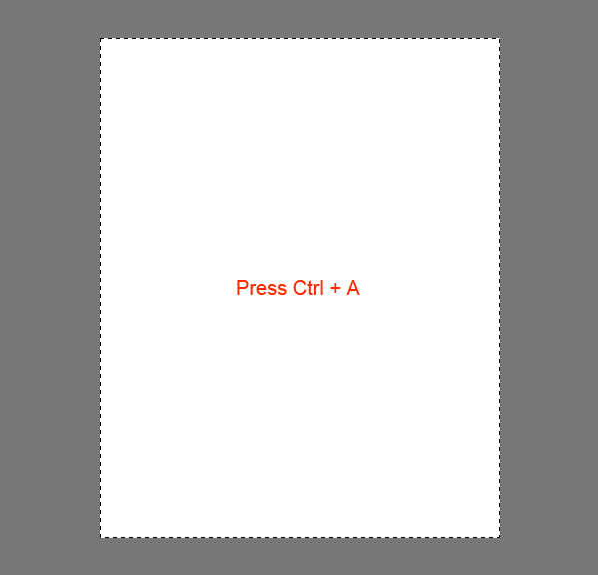
This is a 960 pixel wide layout, so we need define the work area by adding guidelines. Press Ctrl+A to select the entire document.
Go to . Shrink the selection down to 960 pixels wide. That is the work area of the layout.
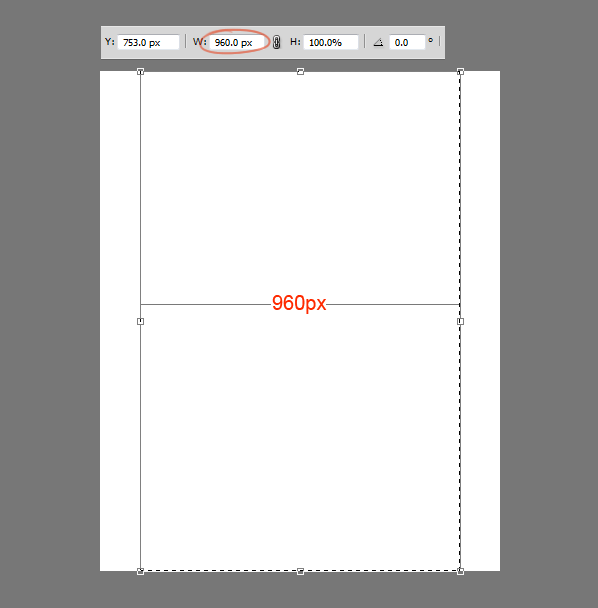
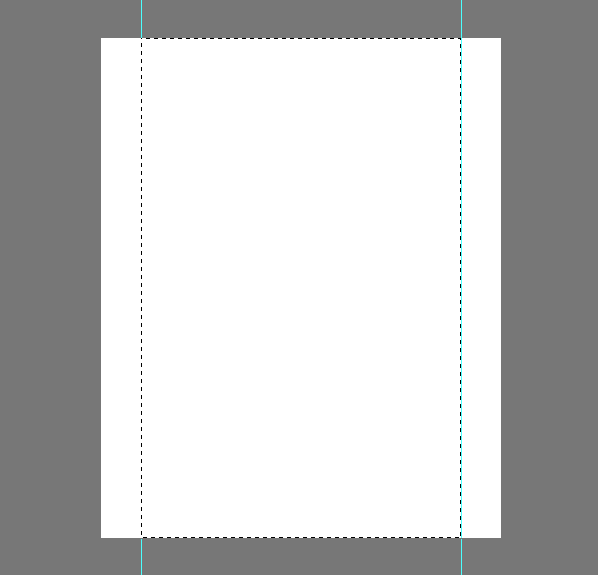
Add guide lines to the selection.
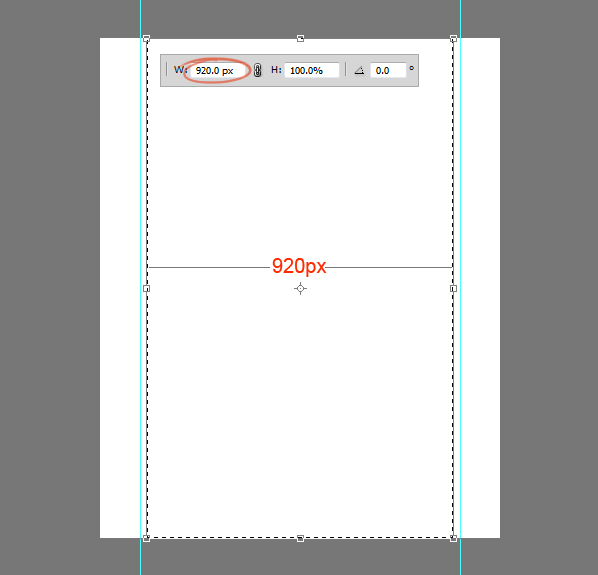
We need to create some padding between the border and the content that we will add later! With the selection active again choose Transform Selection. Resize the selection to 920 pixels wide. That means 20 pixels of padding each side totaling 40 pixels of padding.
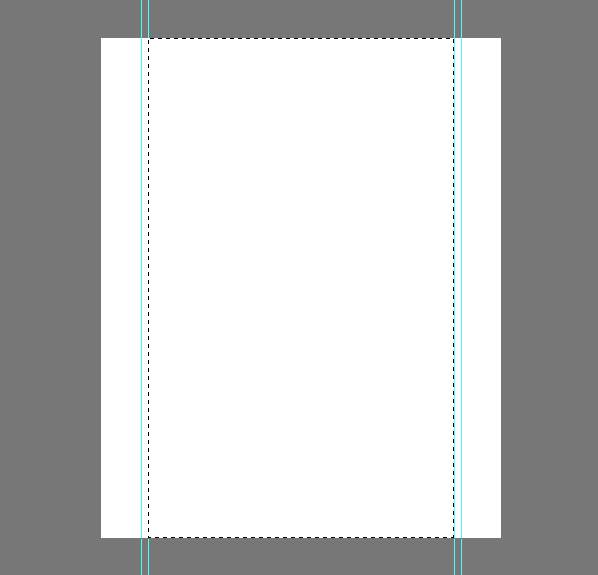
Add guides to the selection.
Step 3 Create the Header
Let’s create the header of the layout! Make a selection that is 465 pixels in height.
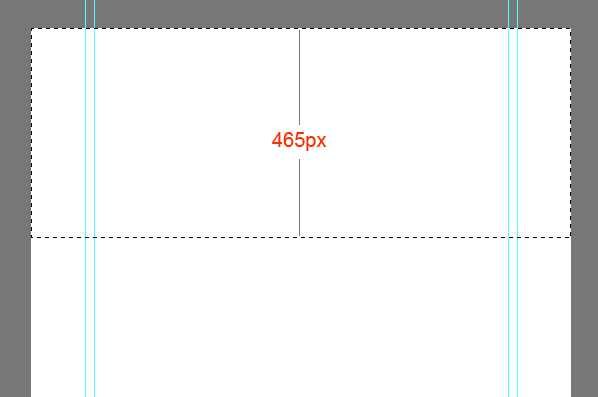
Fill the selection with a gray value first and later use the Layer Styles to add colors and gradients. Follow this throughout the design to maintain a visual hierarchy.
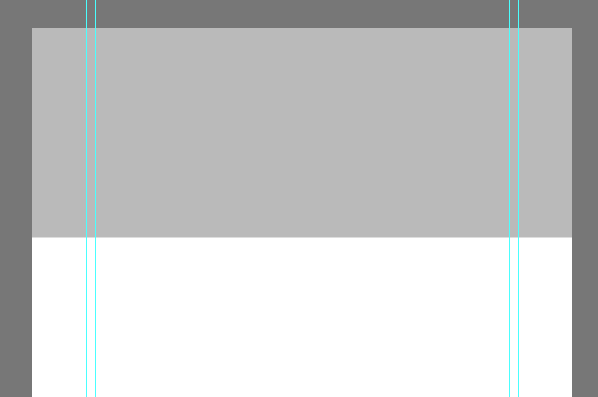
Add Gradient to the header. Double click on the layer thumbnail. Select Gradient Overlay. Create the below 2 color gradient. Use the settings.


